
 Analysis
17 November 2026
When Protests Turn into Riots: Is Your Business Insured Against the Damage?
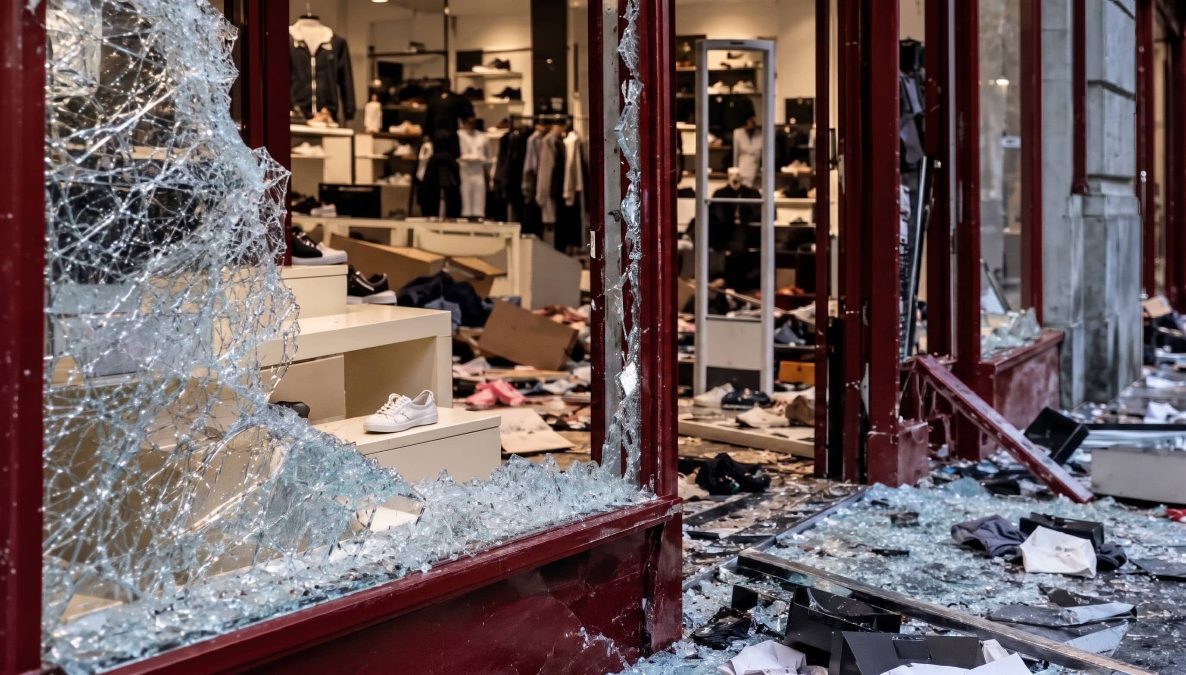
Smashed windows, looted shops, burnt-out vehicles and closed business premises. When social tensions escalate, the consequences extend beyond the streets. They affect businesses too.
Mass protests and civil unrest across Europe have once again raised the question of how businesses in Bulgaria can protect themselves during periods of social instability.
For owners of shops, restaurants, hotels and shopping centres, the risk goes beyond potential damage to buildings. Even when the premises remain unharmed, restricted access, temporary closures and falling customer numbers can lead to substantial financial losses.
This raises a question that often receives little attention until an incident occurs: does insurance cover damage caused by riots and civil unrest, and what exactly does that cover include?
Property insurance does not automatically mean comprehensive protection.
Many companies have property insurance, but their policies do not necessarily cover risks such as vandalism, civil commotion and riots.
The answer depends on the specific policy, the insured risks, the exclusions and the applicable limits. In some cases, cover may need to be specifically negotiated.
This is particularly important for businesses located in city centres, where large demonstrations can increase the risk of property damage.
Correctly distinguishing the circumstances and causes of the damage is essential in determining insurance coverage. Deliberate damage to property, vandalism and acts committed during civil unrest may fall under different insured perils.
For example, a shop window broken in an isolated act of vandalism would typically be considered under the peril of “Malicious Damage”. However, when similar damage occurs during mass protests that escalate into civil unrest, it may be classified as an event falling under “Strikes, Riots and Civil Commotion”.
This distinction directly affects whether an insurance claim is payable, as different perils may be subject to different policy clauses, limits of liability, deductibles and exclusions.
Damage involving theft or looting during civil unrest also deserves particular attention. Having cover for civil unrest does not automatically mean that losses arising from theft, looting or missing stock will be compensated. Depending on the terms of the policy, these events may be excluded or require separately negotiated cover.
The adequacy of the agreed sums insured is equally important. Even where the necessary cover is in place, if the insured property is valued below its actual value, a claim may be reduced proportionately under an average clause, where the policy provides for this. As a result, the insured may have to bear part of the financial loss.
Another key question is: what happens if the business cannot operate?
Imagine a shop that has to close for several days following unrest in the area. Its windows are intact, but the street is blocked, access is restricted and customers cannot reach the premises.
Or a hotel that cancels reservations because of road closures. Or a restaurant that loses revenue because the area is inaccessible.
In these situations, physical damage may be minimal or entirely absent, while financial losses can be substantial.
Business interruption cover is generally subject to specific conditions, often including the occurrence of insured physical damage. Loss of revenue resulting from closure or restricted access should therefore not automatically be assumed to be covered.
Protection in these circumstances requires specifically agreed business interruption cover for denial of access without physical damage, expressly including civil unrest as an insured peril. The availability and scope of this cover depend on the terms of the individual insurance contract.
What Should Every Company Check with Its Insurance Broker?
Before taking out or renewing your property insurance, it is important to clarify several questions, including:
Physical damage: Does the policy cover damage caused by vandalism, riots and civil commotion?
Stock and equipment: Are stock, machinery, fixtures and fittings protected?
Business interruption: What conditions must be met for loss of revenue to be compensated?
Denial of access: Is there cover when the authorities close off the area but the insured property has suffered no physical damage?
Deductibles and limits: How much of the loss must the company bear?
Specific exclusions: Are there restrictions relating to particular forms of political violence or civil unrest?
When considering risks associated with civil unrest, it is important to assess both the value of the property and the way the business operates.
For a shop in a busy urban area, a hotel or a business that relies heavily on physical access to its premises, suitable protection may require a more detailed assessment of property and business interruption risks.
The broker’s role is to identify potential gaps in cover, explain policy terms and help the client choose protection suited to its specific exposure.
The question is not simply whether you have property insurance. It is whether that insurance protects your business against the actual consequences of such an event.